
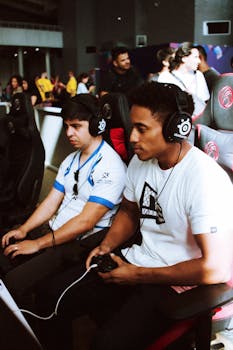
Game Pattern Recognition Skills for Faster Decisions
Spotting patterns mid-game feels like finding shortcuts through a maze. A player’s eyes catch familiar cues, and decisions start to flow faster, almost naturally.
Developing strong pattern recognition skills boosts reaction time and strategic thinking. When players act quickly, they gain an undeniable competitive edge—whether in shooters, strategy games, or even team-based matches.
This article shows how to hone pattern recognition skills, break down actionable steps, and integrate real-world strategies. Stick around to transform the way you process game events and outplay your opponents.
Identifying Recurring Game Scenarios to Speed Up Decisions
Players who notice key scenarios early respond with crisp, confident choices. Catalog familiar events and recognize them under pressure to cut hesitation from your playstyle.
Patterns emerge anywhere: a flanking enemy, repeated resource timings, or specific team formations. Mark them down mentally—this builds your pattern recognition skills each match.
Recognizing Predictable Opponent Behavior
Many players use the same routes on maps; they hide in identical locations across rounds. Tell yourself, “He runs left after every respawn—hold that angle next time.”
When you spot a familiar move, immediately test a counter-strategy. Each recognition loop feeds your pattern recognition skills in live gameplay.
Cement this habit by replaying replays on slow speed, noting when behaviors repeat, and literally saying, “I’ve seen this; now act faster.”
Decoding Environmental Patterns in Real Time
Environmental clues—like power-up respawn times—encode match flow. Listen for audio cues or clock timers. Think, “It’s minute three, health spawn now” and move right before others do.
Calling out details, such as, “Enemies always gather in the north corner after each wave,” sharpens your team’s pattern recognition skills and builds momentum in tough games.
Apply one cue at a time: recognize, call, and act. This multi-step mini-process cements quick, correct decisions in heated situations.
| Scenario | Clue | Best Response | Takeaway |
|---|---|---|---|
| Enemy flank | Footsteps behind | Pivot, pre-aim exit | Spot repeated routes, react instantly next round |
| Resource respawn | On-screen timer | Control area early | Anticipate timing, seize advantage every spawn |
| Team push | Chat signal, grouping | Join formation | Pattern: always follow group, don’t solo |
| Choke point fight | Focus fire sounds | Take high ground | Repeated audio pattern means prepare to reposition |
| Ambush attempt | No enemy seen, silence | Probe with projectile | Lack of visual cues equals likely ambush—check every time |
Building Mental Libraries: Catalog and Recall Patterns Quickly
Create memory banks for patterns you spot every session. The more patterns you store, the quicker you react and adapt across game types.
Pattern recognition skills grow as players catalog tactical moves by labeling replays, reviewing frequent mistakes, and tagging common victory paths for each map.
Chunking Information Like a Pro
Break big patterns into bite-sized chunks. Say aloud, “Red crate equals sniper hideout,” and reinforce it until the association is automatic the next match.
Review five recent games, write down every repeated move you see, and attach keywords. This manual chunking trains the pattern recognition skills that let you intuit faster.
- Label common hiding spots on mini-maps so your eyes jump there first every round for quicker threat checks.
- Review enemy weapon choices after each death to predict next-round behavior using your growing tactical memory.
- Sort map events by trigger—such as bomb plants near certain landmarks—to recall them under time pressure during future sessions.
- Memorize spawn points and jot down spawn-related deaths to avoid surprises in future games and react smoother.
- Pair in-game audio cues with visual events to solidify which sounds mean which enemy actions for automatic awareness.
Each list item is a repeatable step that measurably advances pattern recognition skills if practiced regularly and tracked in a notebook or device log.
Using Analogy to Tie Game Patterns to Everyday Learning
Think of learning patterns in games as memorizing traffic lights. Recognized signals translate to instant action—brake, accelerate, or switch lanes—to avoid crashes.
Apply this analogy: once you see a green light during your match, push the pace. Pattern recognition skills thrive on consistently linking cues to immediate responses.
- Practice pre-programmed reactions—shoot at movement near doorways—to minimize analysis paralysis and keep gameplay fluid under pressure.
- Develop scripts for fallback—if ambushed, turn back immediately instead of freezing—so you don’t waste time questioning the pattern.
- Attach timing rules—attack after two seconds of silence—to force decisive play as soon as a familiar pattern clicks in your mind.
- Record observations after matches—“Spawner always reused at minute five”—for constant reference and improvement of pattern recognition skills.
- Rehearse your reactions alone in training mode to wire quick responses and make them second nature during live matches.
Write down one analogy-driven script after each session to tie cues to actions until it becomes effortless.
Refining Visual Scanning Routines for Faster Pattern Cues
Efficient scanning upgrades pattern recognition skills by teaching your brain where to look and when. This minimizes surprises while maximizing the speed of identifying threats or opportunities.
Players who train visual scanning routines rarely get tunnel vision. Instead, they pivot quickly between common danger zones and objective markers as reflexes sharpen.
Sequencing Your Field of View
Always scan left, center, then right instead of skipping around. Tell yourself, “Check each angle in two-second bursts, never staring.” This locks visual patterns into place faster.
If your screen is cluttered, blur split attention by dividing fields into three zones: near, middle, far. Your pattern recognition skills improve as you stick to systematic checks.
Practice with map overlays off and on to train both memory and live scanning of crucial areas.
Tuning Peripheral Awareness
Use a wall or corner as an anchor—check how much you see out of the corner of your eye each time you pass by. Adjust reactions if you miss movement outside your focus.
Set custom practice cues, like glancing at environmental motion before recentering crosshairs. This builds the mental habit of catching faint visual patterns instantly.
As your pattern recognition skills grow, set a goal to boost your scan frequency by one check per minute across five matches to reinforce muscle memory.
Embedding Audio Pattern Recognition into Gameplay
Audio cues offer fast recognition routes—if you recognize a footstep, reload, or distant voice, you’re a step ahead. Audible pattern recognition skills convert into frame-perfect reactions.
Start distinguishing weapon reloads, special skill charges, or location-specific footsteps. Each unique pattern shortens your lag time between recognition and execution.
Sound-Driven Immediate Actions
Hear a click behind cover? Move. Recognize a high-pitched skill charge? Ready your defense. Turn each audio pattern into a no-deliberation action by making a mental connection: “Sound equals move.”
Designate practice sessions to isolate one audio cue per game—like the thump of an enemy dropping down—so pattern recognition skills grow with laser-like focus each round.
- Mute music and turn effects higher during key training rounds to identify which sounds matter most for your role. Log every sound-pattern-advantage moment.
- Match environmental audio peaks to likely enemy approaches—doors creak, water splashes—so you respond before any visual confirmation.
- Set teammate sound signatures apart from foes so you don’t overreact to normal movement, streamlining skill-driven responses.
- Rehearse dodges or counter-attacks triggered strictly by hearing a reload or missed shot—this imprints pattern recognition skills into your muscle memory.
- Pair each audio cue with a single recommended action to simplify decisions and eliminate analysis during chaotic matches.
Sum up each success in a log: “Heard shotgun reload; peeked early; won close fight.” This creates a blueprint for pattern-based decisions going forward.
Strategically Applying Pattern Awareness in Team Environments
Pattern recognition skills exhibit the greatest value in team play. Calling out predictable events helps squads sync instantly and communicate in clear, efficient ways.
When teammates rely on coded shorthand—”Stack B, repeat flank pattern”—they act without over-explaining, winning fast skirmishes by reading the game as one brain.
Coordinating Calls Based on Observed Patterns
Structure your team’s voice calls by naming repeatable scenarios as coded phrases. Practice saying, “Classic split, enemy double up on left again,” to prompt pre-planned counters.
Use a micro-checklist between rounds: Did we spot their favorite entrance? Has their sniper rotated? Apply this to deepen your group’s pattern recognition skills fast.
Assign a role to track patterns—”Scout calls pushes at minute two”—and shift strategy together without pausing for over-analysis.
Real-Life Examples in Team Contexts
After practice, teams review stored patterns—”Enemy rotates every third round”—to plan future traps. This process builds a repository of moves for instant re-use.
Assign the highest-ranked shot-caller to log enemy patterns vocally and visually for instant, adaptive counters. Every call sharpens collective pattern recognition skills.
Finish each scrim with a “pattern of the day” vote to review, then apply the next match as a team standard.
Strengthening Decision Speed with Deliberate Practice Routines
Purposeful training is a shortcut to stronger pattern recognition skills. Set strict routines: each session targets a different pattern, pace, or counter so skills compound.
Say, “Today, I’ll read spawn timings; tomorrow, I’ll call audible cues instantly.” Structured drills cement efficient in-game responses and reduce mental lag.
Scenario-Driven Drills for Rotation Recognition
Load a map with bots running specific routes—record each run, label the outcome, then repeat until every route-recognition results in quick, unthinking reactions.
Push for five flawless rounds where you act on the visual cue first, not thought—write down missed cues and adjust next drill.
This intensity hones real game pattern recognition skills and ensures steady progress toward top-tier reaction speed.
Tracking Progress for Motivation
Use gameplay trackers or paper logs to document which patterns you spot and when you act fastest. Notice improvement spans 3–5 sessions for tangible, encouraging feedback.
Reward yourself each time a pattern trigger leads to a win, like a deep breath or note on a learning chart. Small incentives anchor pattern recognition skills as positive habits.
Invite friends to review your logs and celebrate progress, making the training loop social and more sustainable over time.
Bringing Pattern Recognition into Everyday Play and Growth
Game pattern recognition skills transfer beyond matches. You’ll spot trends in learning, social interactions, and problem-solving more naturally, sharpening life-long reflexes.
Each win and loss is a chance to add to your pattern database. Don’t chase perfection—aim for one new insight or pattern per session, and improvement compounds.
Dive deeper with teammates. Share discoveries, assess logs, and name new patterns together for a boosted progress rate—and a more enjoyable, connected experience in each victory or comeback.