
Long-Term Practice Habits for Gaming Improvement: Real Skills for Lasting Progress
Steady progress in gaming rarely comes from flashy shortcuts. Players who commit to practice habits that work see gradual gains that really last, no matter the genre.
Gamers want that edge—usually to rank up, compete, or just enjoy the process of improving. Building the right foundation changes everything, especially with practice habits tuned for long-term benefit.
This guide delivers real strategies you can start using today. Keep reading for hands-on steps, useful frameworks, and practice habits you can repeat for real results.
Routine Planning to Cement Progress Every Week
Establishing a routine anchors your practice habits, giving each session a purpose and structure. You’ll find steady growth by integrating these actions day after day, week after week.
Each small, mindful change compounds. Adopting weekly review and adaptation keeps your practice habits targeted and efficient for your personal improvement goals.
Defining and Maintaining a Gaming Schedule
Saying “I’m practicing shooters for 30 minutes after dinner” sets expectations for yourself and helps ingrain regularity, which research shows is key for lasting skill growth.
Mark your chosen days and times on a calendar or digital app. This visible reminder reinforces commitment and helps others respect your routine. Visual cues prime your daily mindset.
If a schedule slips, adapt quickly: “I missed yesterday but I’m making up today right after work.” Small course corrections keep practice habits resilient and avoid all-or-nothing thinking.
Tracking Small Wins to Accelerate Motivation
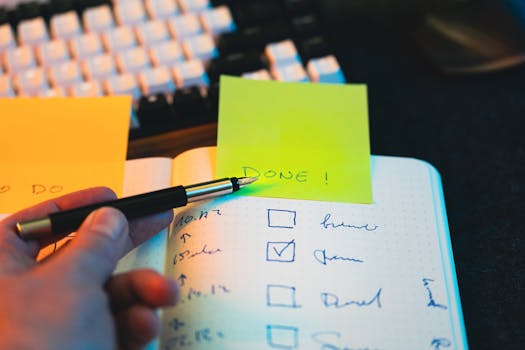
Writing down three things you did well after each gaming session creates a positivity loop. You’ll spot patterns in practice habits that work best for you.
Circle achievements—”survived longer,” “better map path,” or “fewer tilt moments.” Review briefly before your next session, reinforcing motivation right before you play again.
Adjust goals as you spot improvement: “I’m consistently aiming faster, let’s refocus on positioning.” Upshift your practice habits based on new strengths you observe in your notes.
| Practice Habit | Frequency | What It Targets | Takeaway Action |
|---|---|---|---|
| Daily Warm-Up Routines | 5–10 min per session | Reaction/coordination | Add a short warm-up before ranked play today |
| Reviewing Game Replays | 2–3 times/week | Decision analysis | Watch last match, note a single repeated error |
| Skill-Specific Drills | 2–5 times/week | Aim/map awareness | Pick one skill, repeat for 10 minutes |
| Adjustable Goal Setting | Weekly | Focus control | Set a small goal before each week’s start |
| Scheduled Rest Days | 1–2/week | Recovery | Take a break to avoid burnout |
Feedback Loops: Turning Input Into Improvement
Using feedback—external or self-generated—turbocharges your practice habits. You’ll spot blind spots and turn lessons into automatic, positive changes in your play.
Intentional feedback habits protect against plateauing. The right system channels both wins and setbacks into next-level skills through actionable review and real-time adjustments.
Integrating Feedback From Peers
Inviting a friend to observe and comment—“When you double-peek, you get picked”—anchors improvement to concrete moments instead of vague impressions.
Ask your peer for one constructive note and one thing you did well. This keeps feedback specific, digestible, and part of your regular practice habits, not random advice.
- Request one improvement focus from a teammate and review the next match with just that lens—for instance, “watch your flanks” or “use your abilities earlier.” Practical input trumps vagueness every time.
- Join a Discord group or online forum for weekly critique sessions. Sharing short clips helps others give actionable pointers you can immediately fold into your next practice habits.
- Switch roles temporarily—if you main offense, play defense for a week and ask for tips. Direct role reversal surfaces hidden weaknesses and grows your tactical vision.
- Compile a running document of received feedback. Patterns reveal themselves after a few sessions, allowing you to refine your practice habits with clarity and intent.
- After applying advice, always circle back and ask, “Did my positioning improve since your last comment?” This follow-through closes the feedback loop and ensures continuous progress within your practice habits.
Every deliberate feedback action aligns you closer to your goals, so routines feel less random and more targeted over time.
Replaying and Annotating Game Footage
Loading recent matches, then annotating moments—“missed reload here,” “peeked too wide”—translates your game sense into detailed, actionable practice habits that stick.
Use a simple code: red for errors, green for successes, yellow for “watch again” moments. Quick notes take just a few minutes but multiply the value of your practice habits.
- Clip 20-second sequences of high-pressure situations and review with a mission, e.g., “Find one greedy play per clip” or “Spot every missed comm call.” Specific focus fuels breakthroughs in your practice habits.
- Annotate right after playing—the impressions are fresh and vivid, supporting honest self-review. Immediate feedback prevents details from fading, making your practice habits more productive.
- Post a snippet weekly in an improvement channel, asking for direct feedback. This crowdsources solutions and uncovers creative fixes for persistent issues in your practice habits.
- Catalog repeats: “This move cost me fights three times this week.” Tracked errors are easy to target next session—visible, traceable, and ready for extinction.
- Enter your next session with one annotated note at the forefront—“Hold tighter angles on third rounds”—and treat this as your practice habit for the night.
Consistently reviewing game footage with intention brings accountability, fueling transformative advances in your practice habits.
Adapting Your Environment to Sharpen Focus
The space and setup where you play impact how long your practice habits stick. Reduce distractions, and your learning accelerates with time on task invested purely in improvement.
Simple environmental tweaks reinforce powerful habits and reduce wasted effort. The changes stack up—each session, each week, nudging your skills noticeably upward.
Minimizing Distractions for Deeper Practice
Before booting up, set your phone on silent and close browser tabs unrelated to your game. This minimizes attention splits that sap focus from your practice habits.
Let housemates know your gaming time is practice time, not just entertainment. A quick, “Playing for the next hour, headphones on,” signals the importance of your commitment.
Keep only necessary peripherals on your desk—keyboard, mouse, perhaps a training notebook. Visual clutter invites mental distraction, undermining the discipline of your practice habits over time.
Optimizing Physical Comfort for Performance
Adjust your chair and monitor height so you sit with relaxed shoulders, wrists straight—a stance that pros call “combat position.” It keeps you pain-free and fully invested during long practice habits sessions.
Stay hydrated and take a short stretch break every 45 to 60 minutes. A quick neck roll or hand shakeout preserves sharpness, letting you return to your practice habits refreshed, not fatigued.
If lighting strains your eyes, reposition a lamp or try bias lighting to soften glare. This reduces fatigue and nudges you into “flow state” where skills from your practice habits consolidate best.
Emotion Management for More Consistent Outcomes
Identifying and addressing emotions during gameplay stabilizes your practice habits. Channeling setbacks into curiosity, not frustration, leads to stronger, more reliable improvement over weeks and months.
Small resilience tools, like mindful breathing and recovery rituals, break negative cycles. These habits create a safety net so a bad session doesn’t derail your long-term practice habits journey.
Use breathing cues—or a post-error mantra, such as “reset and refocus”—to rapidly recover after a mistake. This prevents tilt from taking over and pulling you out of productive practice habits.
Keep a notecard at your desk with three statements: “Everyone has low days; review, adapt, and get back in.” Return to these words after a tough run.
Track your mood in a journal along with performance notes. Noticing correlations sharpens awareness and clarifies which emotional states either help or hinder your practice habits.
Testing Practice Habits Against Realistic Scenarios
Applying practice habits under varied, real-match conditions builds adaptability. Simulating tournament pressure, messy comms, or unpredictable teammates forges poise and growth where it counts most.
Structure sessions with realistic boundaries—try the “last round stakes everything” game or play entire maps with random weapon limitations. Each exercise stretches your practice habits to new levels.
- Set a timer for clutch practice—”one bomb defusal in 45 seconds”—to force decisions under duress. Mastery follows systematic repetition in simulated pressure.
- Rotate roles each session, playing support, shot-caller, and entry in order. This multiplies your perspective and spotlights new practice habits you need to cultivate.
- Run team scrims with post-round, five-minute strategic retros. Debrief honestly: “What went wrong? What can I try differently?” Pinpoint corrections for next session’s practice habits.
- Include chaos drills. Disable your minimap or restrict comms for five rounds. This forces you to rely on other senses, uncovering weaknesses in current practice habits.
- Challenge yourself with off-meta picks, then analyze what adjustments you made instinctively. These experiments flag unconscious practice habits ripe for conscious mastery.
Scenario: Learning From Losses
After a tight defeat, pause immediately; write down the moment where momentum swung. This captures the raw emotion and ties it to a tangible opportunity for new practice habits.
Debrief with a partner. Use direct phrasing: “Next time, I’ll watch for the rotate instead of chasing kills.” State this as a personal rule for your next practice habits session.
Before queuing again, replay the final round mentally, inserting your new decision at the critical moment. Visualizing this primes your brain to convert insight into stronger practice habits.
Scenario: Performing Under Pressure
Simulate high-stakes drama by playing with a friend keeping score. Create a “best of five” mini-tournament to mimic the adrenaline of real competition.
If nerves spike, use a grounding technique: name three objects in your room, take three deep breaths, and say, “Ready for the next round.” Infuse calm immediately into your practice habits.
When the game ends, swap feedback in short sentences: “Nice clutch, but try faster flanks next set.” Direct phrasing targets practice habits for the next rematch.
When Practice Habits Lead to Sustainable Growth
Effective, repeated practice habits drive real, observable progress—one session at a time, goal after goal. Each improvement, visible to yourself and others, stems directly from habits you can control.
With purpose-built practice habits, frustration transforms into momentum. Your results in competition and casual matches reflect the work you’ve invested with intention and care.
Commit to a balanced blend of routine, feedback, environment optimization, and scenario training. Over a few focused weeks, your gameplay reveals the payoff of well-built practice habits that stick for the long haul.