
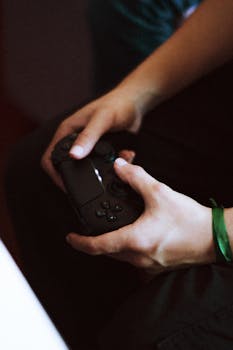
Timing Skills for Executing Perfect Game Actions: Sharpen Every Move
Every gamer knows that a split-second can make all the difference between victory and defeat. When you play, timing skills blend with instinct to create winning opportunities.
Developing sharp timing skills helps more than just reaction speed—it creates a sense of flow, letting decisions and movements feel automatic. Games reward those who act with precision and confidence.
Dive deeper to discover the practical steps, scenarios, and practice routines that help transform raw speed into reliable timing skills for your favorite games, and consistently land those perfect actions.
Building Fast Execution Through Pattern Recognition
Learning to spot patterns in opponents’ actions lets you act decisively. Strong pattern recognition builds timing skills that let you anticipate—and counter—game moves efficiently every time.
When you train your brain to notice repeating behaviors, you unlock natural timing cues. You start spotting micro-windows to act. These chances are your pathway to consistent game actions.
Noticing Repetitive Movements
Focus your attention on how environments or rivals repeat behaviors. After a few rounds, you’ll spot their dodges, reloads, and attack rhythms—boosting your timing skills organically.
If you see a rival crouch before they spring into action, tell yourself, “They’ll jump on three,” then trigger your action. This lets you practice real-time prediction skills immediately.
Try applying this approach to both single-player and multiplayer games. Remain curious: see each repeated movement as a clue your timing skills can decode and capitalize on.
Tuning Into Game Audio for Cues
Sounds like footsteps, reloads, or skill activations often signal key moments to act. Boost your timing skills by training your ear to react the instant you hear a familiar audio cue.
For example, when you recognize the charge-up whir of an enemy move, count to yourself, “After two beats, move right.” Practice this in short training sessions to reinforce the link between sound and action.
Audio cues fill gaps visual clues leave open. Pair both together and you’ll react with double the accuracy, making your timing skills more resilient under pressure.
| Pattern Type | Where to Spot | Action Window | Takeaway |
|---|---|---|---|
| Enemy Reloads | Multiplayer Shooters | 0.5–1 sec | Engage aggressively after a reload sound for peak effectiveness |
| Ability Cooldowns | MOBA Games | 2–5 sec | Strike when big abilities are unavailable to the opponent |
| Jump Patterns | Platformers | Each arc/lift | Time your move on descent or after repeated jumps |
| Blocking Habits | Fighting Games | Post-block | Mix up your own actions just as the block ends |
| Objective Resets | Strategy Games | Reset timer | Set reminders for respawn or reset moments and prepare early |
Breaking Down Big Actions Into Manageable Timing Drills
By dividing complex maneuvers into smaller drills, you’ll discover which moments require peak timing skills. Practicing these drills helps you achieve smoother, more precise execution.
Chunk each action into phases—such as aiming, movement, and firing. This method highlights exactly where timing matters most and sharpens your control during live matches.
Timing Drills for Aiming and Shooting
Set up a routine by aiming at targets that appear at regular, short intervals. This drill, done for five minutes, fine-tunes your shooting timing skills session by session.
React the instant you see a flash or color change. Say aloud, “Aim now!” Repeat until you can fire consistently within the cue’s first 200 milliseconds—then challenge yourself with faster cues.
- React immediately to colored light flashes. This sharpens your snap-shot reflexes and natural timing skills with minimal setup—just a timer or on-screen alert does the trick.
- Vary target distance and speed. Adjusting each element forces you to adapt your timing skills, preparing you for unpredictable real-game scenarios without losing your pace.
- Switch firing hands regularly. Alternating controls pushes both hands to work with equal timing skills, improving ambidexterity for games demanding multi-key or multi-controller finesse.
- Count down in your head before each shot. Quietly saying “Three, two, one” sets a helpful rhythm, smoothing out nerves and giving timing skills a reliable, repeatable beat.
- Analyze slow-motion replays after each drill. Pinpoint exactly where you rushed or hesitated. Clear feedback lets you adjust your next practice for more precise, confident timing skills.
Repeat each drill for a week—then swap them out for new variations to prevent plateauing. Diverse challenges keep timing skills improving.
Micro-Movement Practice Routines
Design routines where you change movement direction on an audio or visual cue. This builds your ability to switch tactics instantly, enhancing timing skills for dodges and escapes.
Try “Move left every time you hear the beep,” and ramp up cue speed gradually. The challenge builds quick thinking and sharpens your reaction timing in high-stress moments.
- Respond instantly to beep or chime sounds. Start at a slow pace, then increase tempo as you feel more in control. This approach steadily levels up your timing skills in mobility-heavy games.
- Alternate movement keys on each cue. Switching up controls stops your timing skills from getting stuck in habits and brings flexibility, a key trait for advanced action execution.
- Fit drills into your warm-up. Five minutes of movement-focused timing skills routines guarantee your reflexes are prepped before each gaming session, making warm-ups useful, not just a habit.
- Log your reaction times. Track improvements each session by writing down results. This tangible progress motivates you to keep honing timing skills, showing growth with real numbers.
- Test drills with a friend. Competitive practice makes sharpening timing skills more engaging and adds real pressure, replicating live-game stakes.
Stick with each drill for a full week. Gradual, repeated practice is the secret to steady gains in timing skills and reliable gameplay.
Combining Visual and Tactile Feedback for Consistency
Layering visual and tactile cues gives you redundant signals to act at the perfect moment. This strategy anchors your timing skills, especially under distraction or during high-stress plays.
Build habits that link a specific sight and feeling to your most important game actions. Doing so reduces missed timings and boosts your consistency in fast, competitive environments.
Utilizing On-Screen Indicators With Vibration
Pair on-screen flashes or icons with controller rumbles or mouse clicks. The instant both hit, take the action. This double-signal method amplifies timing skills over time.
If a special ability icon flashes, keep a finger light on the trigger. When you feel vibration, act. That extra cue makes your reflexes less error-prone, especially during tense scenarios.
Experiment by turning on device feedback, then practice trigger timing. Gamers say “Ready on light, move on rumble.” Repeat in practice sessions until your brain syncs up both cues effortlessly.
Syncing Routine Movements With Countdown Timers
When using cooldown skills or waiting for round starts, set a timer that counts down aloud or visually. Each tick grows your sense of timing skills for bursts of planned action.
Say “Go on zero,” and physically act the instant the buzzer sounds. This method builds your brain’s trust in its own timing, even in chaotic matches where nerves usually lead to hesitation.
Translate this to real games by predicting spawn timers or enemy respawns, then attacking right at zero. Regularly practicing these countdown drills cements sharp timing skills for future matches.
Scripting Your Actions to Strengthen Habits
Following micro-scripts for common in-game scenarios helps you develop automatic timing skills. These set routines make precise execution second nature, especially during stressful moments.
“When X happens, do Y”—this pattern builds consistency fast. Gamers repeat scripts until actions trigger the instant a condition appears, leaving less to chance or hesitation.
Cue-Action Habit Building for Regular Gameplay
Try scripts like, “If enemy peeks, pre-aim head level and shoot exactly as they appear.” Repeat until this flow feels automatic, reinforcing your core timing skills under pressure.
Review replays to spot where your script slipped—did you hesitate or act too soon? Tweak scripts for clarity. “Cue: door opens. Action: flashbang instantly.” Sharper instructions prevent costly delays.
Include reminders in your warm-up routine: run through your top three cues and actions at least three times. This habit makes your timing skills highly reliable way before match adrenaline spikes.
Anticipating Breaks in Game Flow
Train yourself not to zone out during quiet periods. Timing skills lose sharpness if you relax right before an ambush. Tell yourself, “Calm now, but any cue means spring into action.”
For example, in team-based games, use comms at regular intervals and say, “Check flank every ten seconds.” Voice reminders like this prime your timing skills for unexpected pushes or rotations.
Anchor yourself to common sound or visual cues before risky moments. Keep your hands ready near buttons or keys. Staying in a semi-ready posture keeps timing skills primed and reactions quick.
Turning Mistakes Into Learning Moments with Real-Time Feedback
Each misstep during gameplay is a valuable lesson for sharpening timing skills. Reviewing these moments makes you more adaptable and reduces costly errors in future matches.
Capture gameplay clips, then systematically examine your actions. Pause and ask, “What did I miss? When should I have acted?” By doing this, you transform mistakes into precise timing adjustments.
Using Video Analysis Tools
Load your last match in a replay tool and slow it down by half. Notice where your reaction lagged or jumped the gun—each moment sharpens the blueprint for improved timing skills.
Document the patterns surrounding every mistimed action. Jot down, “Missed window at 14:34 due to delay after audio cue.” Target these patterns in tomorrow’s practice routine for a direct boost to timing skills.
Share select clips with a practice group. Request feedback: “Should I have shot earlier here?” Their observations reveal hidden timing cues, and outside eyes highlight blind spots for further growth.
Immediate Micro-Adjustments After Each Session
Finish a session and record your weakest timing window, even if it lasted only a split second. Write down the precise scenario immediately—memory fades quickly after play.
An example entry: “After utility use, delayed action by 0.8 seconds—should prep position sooner.” Identify what action you’ll take in future matches to close the gap and boost timing skills.
Overwrite old habits by repeating the improved response in non-ranked matches. Rehearse until it triggers without conscious thought. This solidifies changes and directly upgrades timing skills long-term.
Conclusion: Integrating Timing Skills Into Game Success
Timing skills set the stage for reliably landing those crisp shots, dodges, and combos that turn the tide of matches. Smart, repeatable routines are your greatest ally for improvement.
Honing these abilities isn’t just about reflexes—it’s training your mind and hands to act in harmony. With practice, each move feels intentional and precise, letting you play with unwavering confidence.
Return to these drills, scripts, and review habits regularly, and you’ll find timing skills naturally integrate into all your gaming experiences, helping you seize critical moments and win more, match after match.