
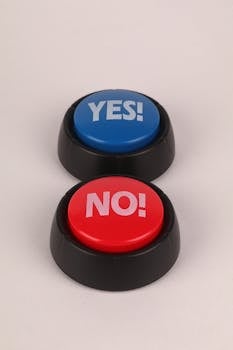
How Player Choice Shapes Game Outcomes
Deciding whether to charge ahead or hang back changes everything in a game. Player choice sits at the heart of every action, big or small.
The ripple effects of these micro-decisions transform the entire game, creating new possibilities and guiding each session’s narrative. Understanding this impact matters deeply for any player or designer.
If you want to see how player choice actually affects game outcomes, and spot which designs reward smart decisions, dive into the sections below. Fresh examples and tips await you.
Individual Decisions Reshape Victory Paths Instantly
In most games, choosing to act or react creates new victory routes in real time. Player choice in one moment can unlock or block entire segments of a playthrough.
Knowing this, you can break down your next tough challenge by mapping potential outcomes. Try this the next time you’re estimating risk versus reward in a match.
Adjusting Play Styles for Tactical Success
When a player chooses stealth over direct confrontation, the caliber of threats changes. Enemies respond differently, and game pathways branch accordingly.
For example, suppose you whisper, “Let’s sneak around back,” as a teammate. The level designers expected that detour, and you’ll find a hidden shortcut only available to those who chose stealth.
Immediate consequence pairs with player choice here. The script: “We stay low, move silent, and skip the main fight.” Actionable outcomes follow.
Timing Choices for Dynamic Objectives
Waiting two seconds longer before acting can create unexpected openings or setbacks. In a racing game, slipstreaming one extra lap before overtaking saves fuel for the final push.
The in-game clock ticks, and players whisper, “Not yet… now!” That choice transforms the challenge. Opponents scramble or lag, showing how player choice changes the environment.
Next session, replicate this by counting out loud, then acting decisively. Notice how it shifts the outcome, making wins feel personal and earned.
| Choice Moment | Game Type | Outcome Path | Key Takeaway |
|---|---|---|---|
| Negotiate or Fight | RPG | New allies, faster endings | Dialogue-driven player choice shapes the story’s direction |
| Sneak or Confront | Stealth Action | Alternate levels, enemy loadouts | Level designers reward different play paths |
| Spend or Save | Strategy | Tech trees, late-game strength | Resource management hinges on early player choice |
| Cooperate or Solo | Co-op Multiplayer | Shared rewards, unique events | Multiplayer outcomes shift with group decisions |
| Explore or Advance | Adventure | Bonus lore, side quests | Explorers find more, linear players finish quicker |
Reward Patterns Reveal Which Choices Truly Matter
Identifying which moments hold the most consequence lets you double down on rewarding player choice. This focus sharpens your gameplay improvement or design process today.
To spot these high-impact moments, track what changes when you try options side-by-side. A designer might label these as “branching nodes” or “key decision points.”
Recognizing Branching Opportunities
Track player choice by jotting down every marked fork. When the game reacts distinctively, label that as a meaningful node, not just a flavor text event.
A player recalls, “I picked the left path, suddenly my inventory changed.” Keep an eye out for subtle mechanics that tie back to your earlier player choice in a session.
- Document branch points: Write down each choice and resulting outcome, so you see how player choice shapes your game’s tree structure and replay value.
- Replay with new choices: Picking the “bad” option uncovers alternate scenes, making replay fresh and keeping engagement high throughout multiple playthroughs.
- List rewards by choice: Catalog new items, upgrades, or allies that become available as a direct result of player choice, highlighting hidden content for future runs.
- Refer to dialogue: Record non-player character reactions to spot where player choice alters story tone or unlocks new subplots and personal questlines.
- Check endings: Compare result screens or summaries and see how player choice generates emotional payoffs, which enhances narrative satisfaction and closure.
Cataloging these effects makes your next playthrough instantly more intentional, and gives you precise points to revisit for different outcomes and emotions.
Building Depth Through Consequence Layering
Depth comes from connecting multiple choices across time. By tracing ripple effects, you clarify how early game actions shape later stages through accumulated outcomes.
Players say, “My choice in hour one blocked out an entire region by hour ten.” Understanding this lets you plan ahead, seeking or avoiding certain risks long before the endgame.
- Map sequence outcomes: Chart each key player choice and link its consequences downstream—a visible thread for solo or group play narratives alike.
- Identify gating mechanics: Pinpoint where an option locks or opens content, switching up everything from available side quests to romance arcs and skill unlocks.
- Experiment with risk layering: Stack difficult choices intentionally to see if the design pushes escalating risk or reward in response to brave or reckless play.
- List replay incentives: Mark which sequences encourage returning, by gating unique achievements or rare rewards behind player choice presets each run.
- Discuss with peers: Compare branching paths in forums or friends’ sessions, learning new story routes or secret upgrades missed on your first playthrough.
This layered approach turns simple picks into deep game-altering strategies, rewarding analytical and adventurous play in every genre relying on complex player choice.
Active Engagement Transforms Player Motivation and Immersion
By encouraging interactive decision-making, designers increase immersion and the desire to keep playing. Player choice turns the story into a personal journey, not just a linear ride.
This transformation from passive to active participation gives players ownership of their path, making even small actions feel meaningful and memorable from session to session.
Shaping Narrative Identity with Persistent Choices
Persistent choices build a player’s in-game identity. These moments—like refusing a quest or forgiving a rival—add layers to the player’s reputation and unlock unique future scenes.
Case in point: Choose to save an NPC, then hear villagers whisper about you as a “hero” later. Emotional resonance deepens, making player choice matter long after the immediate outcome.
Replicate this by tracking in-game fame meters, dialogue flags, or recurring references that make the world respond to your unique approach and history over time.
Aligning Goals with Motivating Feedback Loops
Rewarded player choice fuels sustained play. Well-designed systems give instant and long-term feedback, so a player can celebrate or reflect right after every big move.
When upgrades, quest branches, or rival responses directly follow your action, the urge to keep picking, testing, or adjusting rises. Smart feedback hooks you deeper with every decision.
To check system quality, notice how clearly your action’s effects show up post-choice: is there a new visual, a changed stat, or a voiced line that proves your path matters?
Flexible Strategy Planning Sharpens Team Competitiveness
Flexible player choice pushes teams to think strategically, adjusting tactics in response to changing threats or opportunities. This adaptability brings consistent wins and creative plays in group environments.
See this when teammates split: One holds the objective, another flanks to pressure enemies, while a third baits for information. Each choice shifts the match tempo and flow instantly.
Collaborative Playbooks Expand Situational Solutions
Winning teams script decision trees ahead of time. For example, they plan: “If two enemies push left, I rotate and cover mid immediately—no callout needed.”
Practice scripting your own team playbook. Write alternate paths for common scenarios, making sure every member knows when to pivot or commit based on a teammate’s player choice.
Mirroring sports, checklists and play rehearsals seal consistency: “If X, do Y,” keeps strategies tight and outcomes predictable in tense moments.
Testing and Tweaking Adaptive Loadouts
Player choice thrives in games with customizable loadouts. Each round, pick gear based on opponent patterns, map layout, or your team’s evolving needs.
Between rounds, teammates huddle and say, “Swapping the sniper for extra grenades here makes sense, right?” That mini-debate spawns new victory paths instantly.
Embrace testing loadouts before big matches. Assess how small changes—made through deliberate player choice—alter pacing and your win rate.
Moment-to-Moment Decision Making Defines Match Flow
Every second, fresh player choice changes the match’s momentum. Rapid-fire reactions carve advantage or trigger setbacks. Success comes from stringing good calls together with strong awareness.
“Push now, I saw two rotate!” echoes in team chat, demonstrating how quick moves shape where pressure builds and where weaknesses open.
Micro-Decisions Dictate Round Outcomes
In clutch moments, the smallest choices create massive swings. A quick sidestep, perfect reload timing, or sneaking a peak can flip a losing round into a surprise win.
Train yourself to spot when you hesitate or act too fast. Noting these patterns improves prediction and performance under pressure.
Copy this habit: Review replays and jot down crucial split-second player choice moments to stay ready for next time under the same conditions.
Chaining Moves for Sustained Pressure
Stacking several smart choices in a row turns a small lead into a game-winning surge. Moving in unison, calling flanks, and swapping roles stack pressure until enemies crumble.
Teams mutter, “Swap now, double-up!” or “Hold the angle!” as a live play-calling script. Repeated, coordinated player choice fosters a rhythm that opponents struggle to break.
During practice, script and vocalize these play chains. Adjust when something fails, and rehearse until each move feels automatic under stress.
Long-Term Impact Grows Through Consequences and Replay Value
Major results last beyond single sessions when games remember player choice and apply consequences later. These choices—good or bad—shape world state, character arcs, and future missions.
Someone finishing a save says, “Wow, that option blocked my favorite ending.” Replay calls, drawing them back to choose differently next time for alternate results and story beats.
Influencing World State Permanently
Choices that alter towns, maps, or questlines build commitment and excitement. A village saved now offers upgrades next play session, while a failed defense may scar the landscape forever.
Seeing visible changes keeps players invested, turning short games into ongoing sagas filled with continued surprises and evolving goals powered by player choice.
Observe the world for shifts—buildings, dialogue, or services reflecting your earlier play. It cements your investment and provides real feedback every session.
Unlocking Branching Replay Sessions
Replay value spikes when a single player choice puts you down an entirely new path next run. Designers embed “what-if” enticingly into dialogue, secret areas, and unlocks.
Returning, you notice new challenges or rewards. Nostalgic, you think, “What if I ran with the rival’s plan?” This motivates many players to explore every branch their choices uncover.
Set replay goals to see every ending, and swap major or minor choices on subsequent attempts to discover the breadth hidden within the design’s core structure.
Replay and Revisit: The True Test of Player Agency
Deep, replayable titles demonstrate the true power of player choice, rewarding exploration and experimentation. Revisiting old storylines with new decisions gives every playthrough a unique feel and outcome.
Developers who encourage alternative solutions give players memorable agency. Every time you loop back around with a new route, you appreciate the architecture of intentional player choice.
Next time you boot up your favorite game, try approaching the first big dilemma differently. Watch how the world, characters, and your emotions change in response—a living testament to game design brilliance.