
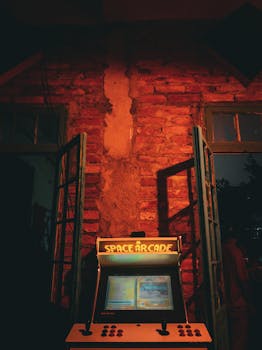
Atmospheric Adventure Titles That Create Unique Worlds and Captivate Players
Some video games stay with us long after the credits roll, inviting us into crafted worlds where emotion and detail linger. Midway through these experiences, atmospheric adventure titles hook you with believable environments and memorable moments.
Players can sense the care in well-made atmospheric adventure titles. Entire worlds bloom from the smallest details: a swaying lamp in a rainstorm, a subtle musical cue echoing through abandoned ruins, or the quiet tension of discovery.
If you’re searching for adventure games that create environments worth exploring, you’re in the right place. Let’s take a step deeper into why atmospheric adventure titles craft such unique worlds and how you can immerse yourself within them.
Building Immersion With Small Environmental Details
Many atmospheric adventure titles make their first impression with careful environmental choices. You’ll spot signs narrating a town’s history or hear background conversations that enhance realism and depth instantly.
To create this, developers layer details that invite discovery. Imagine hearing distant thunder, noticing footprints in freshly fallen snow, and reading notes scattered throughout an abandoned cabin. The world builds itself piece by piece.
Subtle Sounds Tell Their Own Stories
Wandering through mysterious woods, you catch the rustle of leaves or the snap of a twig. These cues build unease, making the atmosphere tactile and alive in atmospheric adventure titles.
Try turning up your headphones the next time a scene grows quiet. This small change turns ambient noise into a character, letting tension or comfort build within the game’s world itself.
Designers use these audio cues so you’re never alone, even in silence. Each sound makes the story feel present, drawing you deeper into exploration and curiosity.
Lighting Choices Create Emotional Anchors
Atmospheric adventure titles use lighting as a signal. Warm hues guide you home, while cold blues and deep shadows nudge players toward caution or awe, setting the mood for each scene.
When you round a corner and golden sunlight bathes a crumbling statue, it’s not chance. These moments mark milestones—comfort, danger, hope—so focus on those lighting shifts next playthrough.
Small lights can mean safety or uncertainty. If you ever feel hesitant, look for familiar lighting cues as subtle arrows, shaping your journey through mysterious lands efficiently.
| Element | Technique | Example | Takeaway Next Step |
|---|---|---|---|
| Ambient Sound | Layered effects, subtle shifts | Distant animal calls in forests | Wear headphones to notice immersive cues |
| Micro-Details | Objects placed for story depth | Photos, trinkets on tables | Pay attention to minor scene decor |
| Lighting | Contrast and color temperature | Warm light at safe zones | Watch lighting to sense tension/safety |
| Narrative Clues | Environmental storytelling | Graffiti hinting at lore | Seek out background clues for deeper immersion |
| Weather Effects | Dynamic transitions | Rain changing sound/feel | Notice emotional shift as weather changes |
Design Choices That Define Unique Worlds
You’ll feel a shift when atmospheric adventure titles introduce new mechanics supporting their narrative. Developers use interactive environments to help each world feel consistent and truly alive.
Whether triggering a puzzle or revealing a secret pathway, interactive design always serves the mood. Consistency in rules and feedback deepens a player’s sense of belonging in these imaginative spaces.
Hidden Layers of Story Encourage Curiosity
It’s rewarding to unearth extra lore or a hidden diary because atmospheric adventure titles are built for those who examine every corner or return to an area.
Try: After discovering a weathered photograph, imagine what conversation or event created it. This “why is this here” mindset transforms the story into a mystery you piece together firsthand.
- Search every room for small notes—Characters’ belongings create a record of their past—Read and imagine their story to make connections between scenes
- Follow visual cues like broken fences—They suggest an exit was used—Trace a path, then check what’s beyond for a hidden secret or shortcut
- Examine damage or repairs—New boards on a window can mean recent escape—Ask yourself: ‘Who did this, and why?’ Explore further for supporting clues
- Test limits of interactivity—Toss pebbles in wells or open unusual drawers—These moments reward curiosity, sometimes unlocking unique dialogue or items
- Compare environmental context—A lush setting means safety, ruined homes warn of threats—Relate changes to what’s happened in your story so far
By piecing together these layers, you turn the ordinary into meaningful story moments. Try this approach the next time you pick up an atmospheric adventure title.
Actionable Interactions Make the Player a True Resident
Atmospheric adventure titles make players feel part of the scene when actions have weight. Pulling a lever opens a gate, and water flows through once-dry canals; you see change unfold.
Touch points—like restoring power or repairing an elevator—become lessons in world logic. These cause-and-effect moments reward observation and reinforce your relationship with the environment.
- Manipulate doors and windows—Try operating them if you see worn handles—Practical interactions like these reveal areas or form a puzzle loop
- Operate old machinery—Gears, switches, or valves mean something can shift—Use context clues from surrounding clutter to determine their function
- Observe character animations—NPCs reacting to your exploration signal importance—Stand still and watch for subtle cues about what to try next
- Engage with light sources—Candles and lanterns highlight secret areas—Try extinguishing or lighting them to reveal objects or pathways
- Interrogate unusual set pieces—Look for interactive furniture or oddities—Experiment to see how the world responds, then follow up on any surprising results
The more you participate, the more the world feels responsive. Rely on these cues to guide your journey through the intricate scenarios of atmospheric adventure titles.
Emotional Storytelling That Feels Personal
Atmospheric adventure titles can weave personal stories through subtle actions and dialogues. When you notice a character’s hesitation or grief, the narrative’s emotional weight hits you on a deeper level.
Developers write scenes where characters pause, sigh, or hesitate to speak. These moments add tension and encourage players to empathize with the situation beyond basic plot points.
Scripted Reactions That Change Your Approach
In some atmospheric adventure titles, nonverbal communication tells you whether to push a topic or back off. Watch a companion’s body language for cues: averted eyes or silent steps.
When you see this, adapt your next dialogue choice. The story grows intricate because you react to actual behavior, not just static text prompts.
Copy this: If uncertain, mirror the game character’s tone—if they withdraw, choose softer words; if they lean in, try a direct question to draw out more story.
Scenario: Remembering the Past Supports the Present
Returning to a key location in atmospheric adventure titles, you notice faded pictures or mementos. Characters mention missing someone, pausing over an object that holds meaning.
This structure fuels motivation for every next step. Carrying a keepsake, for instance, might change how others treat you—as a friend or as an outsider depending on past actions.
Try this trick: Pause often to watch for visual reminders, then refer to them in your interactions or choices for richer, layered conversations.
When Exploration Drives Discovery and Player Agency
Atmospheric adventure titles offer wide, explorable worlds that reward independent paths. The best games strike a balance between guiding players and letting them shape their own stories through discovery.
Players gain agency by connecting locations, deciphering mystery, and uncovering secrets. Each new space becomes a sandbox for exploration, where you dictate pace and meaning.
Taking Unmarked Paths Leads to Secret Finds
Following your instincts, you leave marked trails and stumble onto hidden coves or forgotten buildings. Atmospheric adventure titles tuck special moments in these out-of-the-way places.
Don’t rush between objectives. Wander, listen for changes in ambience, and check for breakaway branches or footpaths. The story expands for those who explore at their own tempo.
When you find a secret, pause to examine it thoroughly. Sometimes these discoveries illuminate an unknown facet of the game’s world, tying back to major story beats or creating side tales.
Checklist for Meaningful Exploration
Here’s a quick checklist to maximize your experience with atmospheric adventure titles. Follow these steps during your next play session for bigger discoveries and satisfaction:
- Pause and scan your environment whenever you enter a new area. Details hide in plain sight, so look above and below standard eye-level for clues.
- Use audio cues to guide exploration. Listen for changes in the soundtrack or ambient noise to find points of interest or hidden pathways in the environment.
- Test your interaction options with everything from benches to bookshelves. Games reward experimentation by weaving secrets into even the most mundane items.
- Monitor character reactions after you try something new. If someone seems surprised, retrace your steps to spot what you triggered in the story.
- Return to familiar locations after big plot shifts. Worlds evolve and hidden interactions can emerge, especially where narrative layers overlap.
Apply this list, and each session with atmospheric adventure titles becomes richer and more personally crafted, unlocking new surprises every time.
Conclusion: Lasting Impact of Atmospheric Adventure Titles
The careful attention to ambient detail, interactive systems, and layered storytelling set atmospheric adventure titles apart in the gaming world, offering consistent, memorable journeys for players willing to slow down and observe.
By actively looking for environmental clues, feeling the weight of narrative, and exploring at your own pace, you’ll find each title grows deeper through repeated plays and mindful engagement with its world.
When you approach games like this, every atmospheric adventure title becomes a personalized adventure, building stories only you uncover, and leaving lasting impressions well after the game ends.