
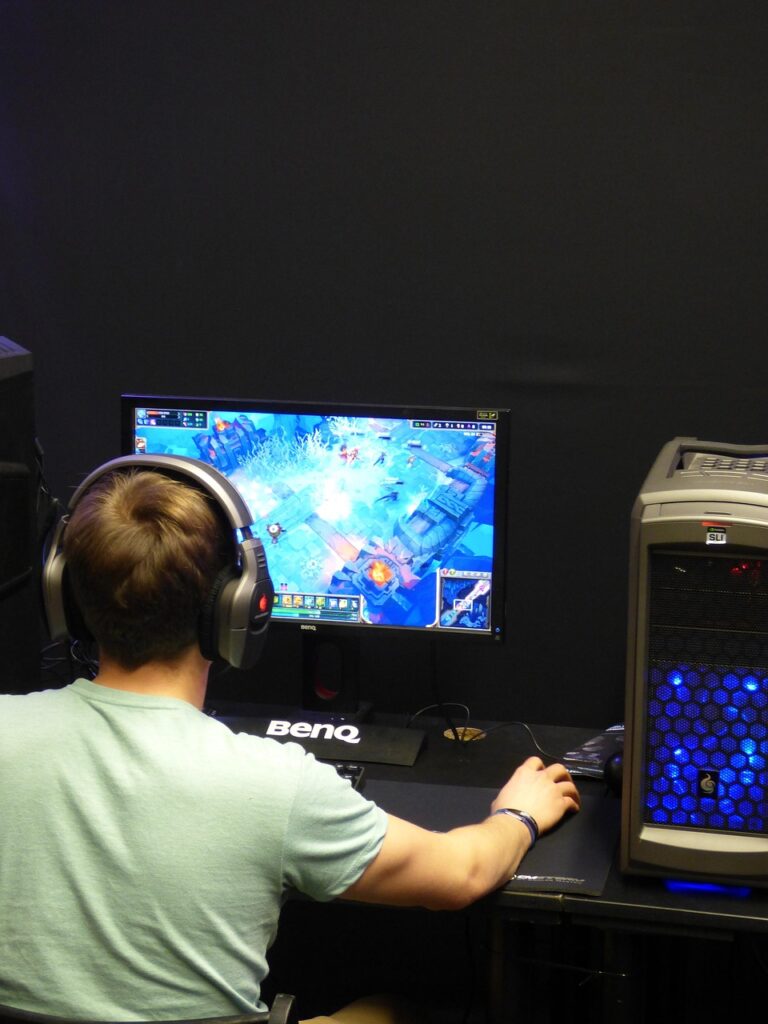
Positioning Skills That Increase Survival in Games:
You drop into a match, heart racing, eyes scanning the virtual map. The way you move, hide, and advance can mean the difference between victory and an early exit.
Winning isn’t just about aim or quick reflexes. Positioning skills impact nearly every decision, from cover selection to movement routes. They quietly shape your odds with each step you take.
Let’s dig into actionable methods, clear scenarios, and real steps you can apply in your next game. Grow your survival rate with positioning skills that count.
Assessing Risk Zones to Boost Your Longevity
Identifying safe versus dangerous areas helps you survive longer. You’ll learn to read the environment and select smarter initial positions in any match or map.
High-traffic zones are like busy intersections—take caution and never linger. Solid positioning skills involve choosing your paths and strongholds for every phase of play.
Setting Up Entry Routes that Lessen Exposure
Picture you spawn in a large open space. You quickly plan a route hugging walls and using boxes for cover, instead of running down the center lane.
Your positioning skills grow when you anticipate likely enemy entry points. Choosing to cross at low-visibility angles adds a layer of tactical stealth to your playstyle.
Keep your steps calculated. Before you move, check for common sightlines. Commit to short sprints between obstacles, pausing to reassess as you reach new cover.
Staying Flexible with Retreat Paths in Mind
Sometimes you need to reposition fast. Before you camp or hold an angle, peep your possible exit paths—window ledges, back halls, or drop points.
Scenario: You’re peeking from a second-story window. You hear footsteps and mutter, “If they rush, I’ll drop to the alley below and circle left.”
Positioning skills always include an escape plan. Practicing routes outward keeps you from being trapped or cornered. Visualize movement options every single round.
| Zone Type | Key Risk | Cover Options | Actionable Takeaway |
|---|---|---|---|
| Open Field | Full exposure | None | Stick to map edges; use speed, never pause in the open |
| Corner Rooms | Flanking risk | One solid wall | Position with your back to a wall, monitor both entry angles |
| Multi-story Buildings | Vertical threats | Windows, staircases | Before holding, verify every floor above and below |
| Choke Points | Ambush traps | Limited objects | Scout choke points in third person when possible |
| Resource Clusters | Loot attractors | Barriers, crates | Loot quickly and reposition, don’t linger |
Winning More Duels by Manipulating Angles
Approaching enemies from unpredictable angles instantly boosts your survival rate. Use positioning skills to force opponents into unfavorable duels on your terms.
Controlling angles can mean peeking right instead of left, playing off corners, or deliberately breaking opponents’ lines of sight when you advance or fall back.
Practicing Slice Peeks for Maximum Cover
When you slice peek, align your character with a wall, then inch forward until only your weapon emerges. Pause, glance, and pull back if you spot movement.
Positioning skills here mean never exposing your full body. Train yourself to strafe left as you peek right, or vice versa—minimizing target area in each engagement.
- Peek with your non-dominant shoulder first; this blocks less of your view and keeps your hitbox smaller than a wide step.
- Never backtrack along the same exposed path after a duel, as enemies pre-aim return routes—find a new angle before peeking again.
- Hold shift or crouch while shifting direction at corners, lowering noise and reducing the risk of sudden crossfire from unseen opponents.
- Time your angle changes after a teammate baits an enemy shot. Switch positions as soon as the enemy fires, catching them as they reload.
- If your crosshair is pre-placed at head level, adjust height for crouching enemies in cover—anticipating posture shifts improves your accuracy from each new angle.
Positioning skills adapt as you learn which angles are safest for each weapon type. Start close for shotguns, wider for rifles, and compare engagements after each round.
Breaking Line of Sight with Intentional Movements
Cutting visibility early lets you reset the fight. Swing out wide behind an object, then double back in an arc, denying your opponent clear shots.
Use environment obstacles like bushes, walls, and vehicles. Crouch-walk behind high objects to disappear, then pop up a few feet further along. This disorients trackers relying on noise or vision.
- Move fast behind cover, but never break pattern predictably. Change speed and crouch at intervals to keep movements unpredictable.
- Fake a path by tossing grenades or making noise, then rotate out via a quieter route to draw attention from your real exit path.
- If you pause, do so at odd intervals rather than at every corner; this disrupts enemy timing if they’re pre-aiming your location.
- Monitor shadow movement when behind objects, using subtle camera angles to spot enemies before they spot you. Adjust position based on their next move.
- Vary your pop-up spots around the same cover to force the opponent to readjust aim, increasing your survival odds each encounter.
Positioning skills at this level encourage advanced maneuvers like shoulder-peeking to bait shots. Each retreat and re-entry is a chance to gain a health or time advantage.
Predicting Opponent Movements Using Environmental Cues
Reading subtle cues in the game world predicts where threats will emerge. You’ll interpret map signals and make faster decisions as your positioning skills sharpen.
Your ears pick up broken glass, footsteps on metal, or a distant gunshot. Each sound piece offers a clue for where enemies plan to move next—and where you should not be.
Tracking Noises and Visual Hints for Safer Routes
Pay attention to audio feedback—doors creak, bullet ricochets, or environmental destruction. Map them in your mind to nail down the most dangerous spots around you.
Signs like moved foliage, missing loot, or changed lighting suggest a player passed by. Combine this with known map timings to anticipate who’s nearby and avoid their path.
Positioning skills rely on these cues. Act by shifting away from sound-rich zones or pausing when indicators grow louder, always confirming safety before you relocate.
Timing Your Moves with Enemy Cycle Patterns
In many games, enemies rotate at defined map intervals. Watch the clock, then move when you expect players to be distracted by objectives or repositioning themselves.
Repeat routes rarely. A strong competitor says: “I’ll switch this flank every round, making my moves less predictable.” Force rivals to guess, then capitalize when they pick wrong.
Practice visualization: before shifting, close your eyes a moment and replay recent map noise and paths. Plan your next three steps, adjusting for any threat signals you’ve observed.
Improving Survival with Height and Obstacle Usage
Players who use verticality and cover objects survive longer in dangerous scenarios. Smart use of height allows you to spot threats and reposition before conflict starts.
If you climb to a rooftop, for example, you gain a vantage point for sightlines and escape options—both key aspects of reliable positioning skills in fast matches.
Scaling Walls and Navigating Ladders Wisely
Don’t climb blindly—pause at ladder tops and listen first. If you hear action, consider a distraction or check alternate platforms to reach your goal safely.
Use quick jumps instead of long climbs if routes allow. Visualize a parkour route with multiple drop-off points so you’re never stuck exposed on a high ledge.
For every vertical move, plan descent paths as well as your route up. Drop behind chimneys, railings, or air vents instead of exposed edges, prioritizing stealth and cover.
Rotating Around Cover to Regain Advantage
Circle around objects during stand-offs instead of backing away directly. Alternate crouching and standing—forcing enemies to overexpose themselves as they adjust their aim.
When outgunned, move sideways behind barriers like sandbags or crates. Initiate short sprints from zigzag angles, keeping rivals from predicting your next movement.
If you peek right side of cover, follow up with a left-angle attack from the next piece of cover. This disruption helps reset engagements and utilizes positioning skills to their fullest.
Pre-Planning Rotations Before Fights Start
Committing to rotation plans before combat dramatically increases survivor odds. Strong positioning skills mean thinking two or three steps ahead, never improvising your exits mid-battle.
Set up your rotation plans based on the map’s safe zone shifts, objective spawns, or historical enemy movement patterns, refining them as you learn what works best in each scenario.
Using Waypoints and Landmarks for Memory Anchors
Pick memorable map features—like statues, water towers, or vehicles—as anchor points for your routes. Plan sequences: “Move past the truck, up the stairs, hide behind the barrels.”
Train your mental map by describing your planned path out loud—“I’ll hit the blue wall, swing by the two trees, and wait for a sound cue before crossing.”
With habitual, repeatable language, you convert arbitrary terrain into predictable, controlled zones. This memory anchoring supercharges your positioning skills and sharpens rotation confidence.
Sequencing Team Rotations to Avoid Clustering
When playing in squads or duos, call out intended movement: “Let’s head left after the drop—cover me past the rock, then shift north out of line-of-sight.”
Stagger timing by a few seconds so your group doesn’t create an easy target. Pair up for two-person crossfire while others provide overwatch from elevation.
Keep rotation language brief and site-specific: “Red bus, then stone fence, then foliage.” With clear, actionable direction, your group’s positioning skills will keep everyone safer and harder to ambush.
Adapting to Changing Game States in Real Time
Getting stuck on a plan limits your survival. Great positioning skills let you pivot the moment conditions or information changes, like a safe zone shrinking or loot drop location switching.
Every move you make should have a quick backup—shift from a main road to a side alley if enemies block your path, or switch elevations if a sniper threatens your position.
Reacting to New Threats Without Hesitation
If you spot shadows, heard a new team nearby, or an unmarked vehicle arrives, change your location immediately. Say, “Let’s backtrack through the loading dock and swing wide to the street.”
Don’t hesitate—decisive, early moves avoid being boxed in. Aim for less-trafficked, less-looted areas as soon as the risk level spikes.
Positioning skills here look like spontaneous decision-making paired with confidence. Practice with small, low-impact shifts so you can move quickly when stakes rise unexpectedly.
Flex Positioning for Extended Duels
If a battle drags out, keep moving along the engagement zone instead of hunkering down. Adjust left, right, even retreat slightly to draw the fight out while buying time for backup.
Combine micro-movements—shuffle side-to-side, use short jumps, and periodically blind-fire to mislead enemies. This technique breaks opponent rhythm, encouraging errant shots.
Once you spot the enemy reloading or repositioning, push a new angle or rush in as their field of vision narrows. Unpredictable flex positioning frustrates predictable rivals and secures more wins.
Locking in Positioning Skills for Consistent Results
Great positioning skills keep you alive long enough to win, recover, or help your squad. They anchor every calculated risk, from opening routes to final engagement escapes.
Treat each movement as a building block. Continuously ask: what risks am I taking, and how could I reposition for better odds, using every lesson from maps and mistakes?
The strongest players review encounters after each match. They analyze movement decisions—what worked, what didn’t—firming up core positioning skills for future rounds without memorizing random tips.