
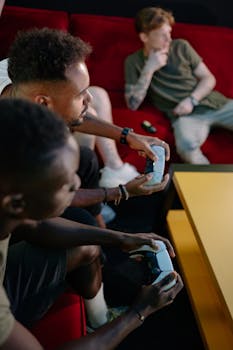
Cooperative Gameplay Experiences Designed for Friends
When friends gather for an evening of digital adventures, laughter grows louder and teamwork deepens. Cooperative gameplay sessions turn ordinary hangouts into memorable shared stories featuring unexpected twists and teamwork.
Players want more than passive multiplayer. Cooperative gameplay means working together in real time, solving challenges as one. The payoff is pure connection—friends rely on each other, celebrate triumphs, and navigate setbacks as a group.
This article reveals strong strategies and practical ideas that make cooperative gameplay genuinely delightful for friends. Discover new techniques, session templates, and actionable advice that can improve cooperation for any playgroup.
Syncing Communication Creates Effortless Play Sessions
Improved sessions start with smooth communication. Direct, honest explanations—paired with context-specific scripts—mean players are never left guessing someone’s intent during high-stakes moments in cooperative gameplay.
Verbal or visual cues keep friends on the same page, quickly clarifying strategies. Use quick check-ins like “I’ll flank left” or thumbs-up gestures before executing a combined move.
Effective Call-Outs Reduce Confusion
Clear call-outs anchor collaborative action. For instance, say “Switch targets!” when the boss changes tactics. Keep energy positive by echoing encouragement or humor, like “We’re unstoppable!” after a tough wave passes.
If someone fumbles, use gentle phrasing: “Try the alternate route this time.” Tone matters—steady voices and direct language relax tension, keeping everyone engaged in the cooperative gameplay.
Friends mimic each other’s enthusiasm, so consistent clarity motivates better group responses. Adjust roles as needed to showcase each player’s strengths without frustration or blame.
Using Visual Aids and Timing Signals
Simple hand gestures or pings highlight points on the map when words might overwhelm. A player signals with a ping, “Regroup here!” just as an enemy wave emerges in cooperative gameplay.
Timing cues—countdowns or quick “Now!” phrases—add rhythm, ensuring nobody misses a crucial move. Someone might tap twice on a shoulder or send an emoji to synchronize actions without clutter.
Establishing these methodical routines unlocks smoother group coordination, making teamwork feel seamless in every round of cooperative gameplay together.
| Signal Type | What to Say or Do | Outcome | Action Step |
|---|---|---|---|
| Call-Out | “Switch sides!” | Immediate reposition | State intent out loud as you move |
| Visual Aid | Map Ping/Marker | Consensus on next target | Ping then confirm with group |
| Timing Cue | Countdown “3,2,1!” | Synchronized attack | Ask if all are ready first |
| Role Reminder | “I’ll heal, you push!” | Defined responsibilities | Assign jobs at the start |
| Error Correction | “Try next time!” | Boosts morale | Deliver in a friendly tone |
Session Pacing and Momentum Keep Groups Invested
Managing session pacing means nobody feels rushed or left behind in cooperative gameplay. Agree on a pace that suits your group, mixing energetic bursts with calmer regrouping phases.
After challenging segments, schedule short breaks. Stand up, debrief successes, and reset before diving back in. This maintains energy and focus across multiple rounds of cooperative gameplay together.
Pacing with Flexible Breaks
Use a shared timer or a natural pause—like after a boss fight—to announce breaks. Someone says, “Grab water, be back in five,” and everyone relaxes.
- Pause at milestone completions to celebrate collective wins and maintain morale during long cooperative gameplay.
- Rotate roles between rounds to keep play fresh and prevent burnout for any one friend.
- Alternate between high-action scenarios and puzzle segments for varied pacing.
- Share fun anecdotes from previous runs during downtime for group bonding.
- Keep snacks and drinks ready to ensure the group stays comfortable and focused.
Gentle structure sustains focus; chaos quickly exhausts even the most enthusiastic teams. Organize these elements at session start for dependable momentum.
Managing Session Length
Agree on a finish time up front—it sets expectations around commitment for every friend. This prevents social fatigue and awkward mid-session exits during cooperative gameplay.
- Set a clear stop time for the night, so friends know when to wind down and avoid getting drained.
- Create a “one more round” rule to keep excitement up without prolonging play endlessly.
- If someone must leave early, plan a natural story beat to pause or hand off tasks.
- Offer a summary at session end, highlighting group achievements and previewing the next session’s goals.
- Use friendly reminders so nobody feels pressure or guilt about wrapping up promptly.
These boundaries make everyone feel respected and ensure future sessions remain something to look forward to, not a source of frustration or burnout related to cooperative gameplay.
Choosing Roles to Maximize Each Person’s Strengths
Assigning roles based on clear strengths matches each friend’s playstyle to group needs. For example, the most strategic player might lead tactics, while another handles resource collection in cooperative gameplay.
Making these choices out loud saves time and fosters trust—everyone knows their zone, so individual contribution feels rewarding instead of stressful.
Diversifying Tasks for Fun and Balance
Mix up task types so every session surprises. One session, try splitting into two teams: one scouting, the other defending base in cooperative gameplay.
If a friend prefers support, encourage them to focus on healing or building defenses, while action-oriented players take front-line roles for more excitement.
This dynamic keeps energy high, as each round reshuffles responsibilities in ways that keep everyone engaged across extended cooperative campaigns.
Scripted Role Assignments for Smooth Starts
Begin sessions with a straightforward script: “Jess, you’re on puzzles; Mike handles strategy; Sam scouts ahead.” Assign roles in direct language, asking for shifts if needed during cooperative gameplay.
If someone wants to try something new, agree as a group on a rotation schedule for roles. Support attempts and adjust if real-time play reveals a better fit.
Trust grows as friends see care go into each person’s cooperative gameplay comfort, creating reliable, repeatable group enjoyment every time you gather together.
Session Rituals Bring Consistency and Comfort
Small traditions give cooperative gameplay sessions a cohesive, memorable identity. These rituals set the tone—friends feel anticipated and valued before action even starts.
Begin each session by greeting everyone warmly and sharing brief personal updates. Use familiar music, catchphrases, or a standing joke to kick things off every time.
Pre-Game Warm-Ups Build Enthusiasm
Start with a simple team ritual: run a warm-up mission or joke about last session’s funniest mistake. Laughter de-escalates nerves and builds enthusiasm for your latest session of cooperative gameplay.
Assign a host who introduces the evening’s plan. For example: “Tonight our goal is to finish the castle—Sam leads, let’s rotate builders after each room.”
Quickly review key mechanics together. This refresher, delivered in a casual tone, helps veteran and new players align in every cooperative gameplay round.
Reward Rituals at Session End
Finish sessions by recapping highlights and sharing thanks. For example, “Jess nailed the puzzle, and Mike’s resource haul pulled us through! Awesome teamwork!” Make this gratitude consistent in all cooperative gameplay get-togethers.
Share screenshots of group achievements. Saving these memories encourages players to return and keep improving together.
If time permits, plan a quirky photo pose or group emote before the session ends. These traditions add warmth and strengthen friendship beyond the screen.
| Pre-Session Ritual | Action | Purpose | How to Start |
|---|---|---|---|
| Greetings | Personal check-in | Build rapport | Ask “How’s your day?” to each friend |
| Music | Favorite playlist on | Set mood | Play opening theme or high-energy track |
| Catchphrase | In-joke or cheer | Signal readiness | Repeat before launch: “Let’s roll!” |
| Warm-Up Round | Quick, easy mission | Build confidence | Start every session this way |
| Welcome Snacks | Grab snacks together | Comfort | Snack announcement: “Fuel up!” |
Puzzle-Solving Techniques Boost Team Creativity
Puzzle segments draw friends’ creative thinking into sharp focus. Adapting real-life group problem-solving methods, like brainstorming, keeps cooperative gameplay sessions lively and efficient.
Encourage divergent thinking—suggest wild ideas without judgment before narrowing down the smartest path forward. This “no wrong ideas” rule fosters discovery over stagnation in puzzle-heavy cooperative gameplay moments.
Solving Puzzles Together—The Brainstorming Rule
Set a timer: “Let’s think for 60 seconds and say every solution out loud.” Invite rapid-fire input, then sort ideas as a team. This sparks innovation in cooperative gameplay puzzles.
Celebrate all input—even offbeat ideas. Example: “What if the lever opens a hidden door?” Laughter and open minds unlock unusual, effective solutions the group wouldn’t reach alone.
After all ideas are out, pick two or three top options and test them. If a solution sticks, high-five and move forward. If not, repeat the brainstorm until the cooperative gameplay puzzle is cracked.
Role Rotation During Problem-Solving
Switch up who leads the puzzle segment each round. New perspectives bring fresh energy—players feel heard and involved, even if they’re usually quiet in cooperative gameplay sessions.
After one group brainstorm, assign a new leader, who says, “I’ve got the helm for this one. Let’s think sideways and work together on the locks.”
This rotating approach ensures everyone’s ideas surface eventually. Friends discover hidden talents and gain confidence in challenging cooperative gameplay scenarios.
Action Moments Where Quick Decisions Matter Most
Action-heavy segments require faster decisions than any puzzle or story beat. Friends should practice simple scripts to keep cooperative gameplay momentum high when situations change suddenly.
In heated moments, someone calls “Cover left!” and another instinctively replies, “I’m on it!” These clear, actionable directions shave seconds off reaction times during high-pressure cooperative gameplay.
Scripting Fast Group Actions
Agree up front on go-to phrases for common situations: “Fallback,” “Regroup,” or “Push now.” Practice these scripts during downtime, so they feel natural once cooperative gameplay tension rises.
Short speech prevents overload while offering direction. Use “Switch targets!” or “Boost me!” instead of wandering explanations.
Mix verbal cues with nonverbal gestures—like a character dancing briefly to alert the group to retreat. The combination covers every communication style and enhances response times in cooperative gameplay.
Coping with Unplanned Setbacks Together
If a session veers off track, reset focus with group reassurances: “We’re still good. Adjust and try again.” Validate each friend’s frustration, then pivot back to the plan in cooperative gameplay.
Have a pause “reset ritual”—declare, “Break and reset!” so everyone regains composure. Quick debriefs right after tough losses build resilience for future attempts.
Use humor or small rewards to recover morale. Laugh about mistakes, recap key lessons, and plan the next run quickly for continuous improvement in your cooperative gameplay group.
Take These Rituals Forward—Make Every Game Session Unforgettable
Memorable cooperative gameplay among friends requires intention, structure, and a bit of creativity. From clear call-outs to rotating puzzle leads, each element improves trust and play satisfaction.
These tactics nurture both friendship and performance, crafting sessions everyone anticipates. Rituals, script cues, and active session management transform ordinary cooperative gameplay into cherished, replayable memories.
Try these strategies in your next gaming meet-up. Notice how laughter grows, challenges become achievements, and cooperative gameplay fuels real connection—game after game, year after year.